
|
Mission: G.R.I.T.! OPS is on a mission this year! Mission: GRIT! aims to increase the passion and perseverance of our students. Stay tuned for more information about what grit is, why we want it, and how to foster it. In the meantime, please feel free to look through my blog posts for information on a variety of topics. If you're looking for information about counseling resources in the OPS area, click here for emergency mental health hotlines, as well as a list of psychotherapy providers used by other OPS families. PLEASE NOTE: If you or a family member are experiencing the signs or symptoms of a mental illness and feel you are in crisis, call 201-262-HELP (4357) or dial 911.
|
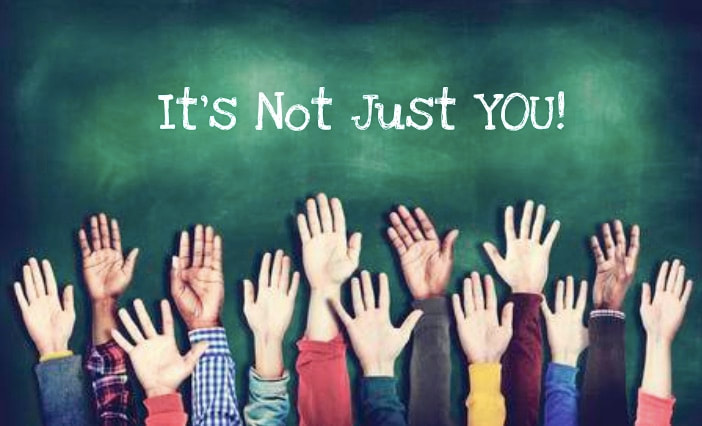 In an elementary school, it's not possible to think of February without thinking of Valentine's Day. There are many great activities this month focused on love for friends and family; "It's Not Just You" focuses on fostering students' love for themselves by asking them to recognize themselves in others. I know, it sounds counter-intuitive. Usually we feel loved when we feel special or unique, right? Allow me to explain. Have you ever heard song lyrics and thought, "that's exactly how I feel!" or saw a stand-up comedian do a routine that made you think, "I do that too!" (Ellen Degeneres does this often, as does Seinfeld)? Songs and jokes are often based on common human experiences. When we realize our experiences are shared by so many others, it connects us, helps us feel less alone, and helps us let go of self-judgment. This is especially helpful when the experience is a negative one. Too often with negative experiences, such as making a mistake or failing at a task, we get hyper-focused on what we did wrong; we tend to exaggerate the expected aftermath, and we may even temporarily lose sight of other things that are important. This is called "over-identification" and it tends to leave us feeling like the only one to ever experience the doubt, insecurity, or even shame that can occur when we fail. The irony, of course, is that failure itself is a universal human experience. We all fail at some point. If we're really trying, we fail a lot. We make mistakes. We get answers wrong. We accidently hurt those we care about. All of us. Every single one of the more than 7 billion people on this planet fails at something, somehow, sometimes. And when it happens, many of us - worldwide - judge ourselves harshly, feel alone in our failure, and overly-identifying with the negativity. "It's Not Just You" is intended to help students build a buffer against harsh self-judgment and isolation by increasing their sense of connectedness to humanity as a whole. Students have been asked to think of experiences that are common to all people and share them by filling out an activity page. They can find examples in music lyrics, tv commercials, comedy routines and/or everyday life. It can even be something that's happened to them that they know must happen to others, whether negative (stubbing one's toe, being late for school, missing the winning shot in a sport, etc.) or positive (Fridays, looking forward to a vacation, celebrating a birthday, etc.). Selected experiences are read during the morning announcements, asking others to raise their hands if they've felt the same way or done the same thing. When students look around at the other hands raised, they know "it's not just you!" "Every single one of the more than 7 billion people on this planet fails at something, somehow, sometimes." How does this all tie back in to loving oneself? It relates to love the verb more than love the feeling. When's the last time a friend came to you upset about something s/he did? I'm going to guess you used words like, "don't worry about it," "it's ok, " and "you and me both!" When we love someone, one of the ways we show it is by comforting, forgiving, and not judging when we can see s/he already feels badly. Now, think about the last time YOU were upset about something you did. Did you say the same things to yourself? Most of us don't treat ourselves with the same compassion we show others. That is, most of us are not as self-compassionate as we could be. Self-Compassion is really no different than compassion for others. When we see someone who is suffering and want to help ease their condition, this is compassion. Self-compassion is noticing when you are suffering - whether it be due to a mistake, failure, or other sense of shortcoming - and treating yourself with the same kindness and understanding you would a good friend. Please note, self-compassion is NOT the same as self-pity, self-indulgence, or even self-esteem. (Please watch this video to learn more about the very important difference between self-esteem and self-compassion.) Self-Compassion* consists of three elements:
"It's Not Just You" directly addresses Common Humanity vs. Isolation in all the ways described above: it encourages students to recognize those experiences we all share, bad or good, and fosters a sense of connection to each other as a result. However, it also indirectly addresses Self-Kindness vs. Self-Judgement in that it's hard to judge yourself negatively when you see how much you're just like everyone else. It also indirectly addresses Mindfulness vs. Over-Identification by broadening one's perspective to include the outcomes experienced by others who may have done the same thing. By increasing self-compassion we are encouraging students to be better friends to themselves; to treat themselves with kindness, respect, forgiveness, and trust. Aren't these qualities the foundation of a healthy, loving relationship? What a gift to our children to teach them how to have this kind of relationship with themselves. Give self-compassion a try and you'll notice a decrease in drama, stress, and loneliness in your own life. Sounds good, right? Now imagine that for your child. Happy Valentine's Day! *For more on self-compassion, please visit self-compassion.org
0 Comments
Leave a Reply. |
